
Understanding what the signs of a concussion are can mean the difference between a full recovery and prolonged complications that affect cognitive function for months or even years. A concussion, classified as a mild traumatic brain injury (mTBI), occurs when a blow to the head or a sudden jolt causes the brain to move rapidly within the skull. This movement stretches and damages brain cells, disrupts neural connections, and triggers a cascade of chemical changes that impair normal brain function. Despite being labeled “mild” in medical terminology, concussions represent a serious neurological event that demands immediate attention and proper management. The challenge with concussion recognition lies in the invisible nature of the injury. Unlike a broken bone visible on an X-ray or a laceration requiring stitches, concussions produce symptoms that vary dramatically from person to person.
Some individuals experience immediate and obvious symptoms like loss of consciousness or confusion, while others may feel relatively normal for hours or even days before symptoms emerge. This variability makes education about concussion signs critically important for athletes, parents, coaches, healthcare providers, and anyone who might witness or experience a head injury. The Centers for Disease Control and Prevention estimates that 1.6 to 3.8 million sports-related concussions occur annually in the United States alone, with countless more resulting from falls, vehicle accidents, and other causes. By the end of this article, readers will gain a thorough understanding of the physical, cognitive, emotional, and sleep-related symptoms that indicate a possible concussion. The information presented here covers immediate warning signs that require emergency care, delayed symptoms that may develop over time, and the specific ways concussion symptoms can manifest differently in children versus adults. This knowledge empowers individuals to make informed decisions about seeking medical care, supporting someone through recovery, and understanding the healing process that follows brain injury.
Table of Contents
- What Are the Immediate Physical Signs of a Concussion?
- Cognitive and Mental Signs That Indicate Concussion
- Emotional and Behavioral Changes Following Concussion
- How Do Sleep Disturbances Signal a Possible Concussion?
- Why Concussion Symptoms May Appear Differently in Children
- Red Flag Symptoms That Require Emergency Medical Care
- How to Prepare
- How to Apply This
- Expert Tips
- Conclusion
- Frequently Asked Questions
What Are the Immediate Physical Signs of a Concussion?
The physical signs of a concussion often appear within minutes of the injury, though their intensity and combination vary significantly between individuals. Headache stands as the most commonly reported symptom, affecting approximately 90% of concussion patients. These headaches typically present as a pressure sensation throughout the head rather than localized pain, though some people experience migraine-like symptoms with throbbing pain concentrated on one side. Nausea and vomiting frequently accompany the headache, particularly in the immediate aftermath of the injury. These symptoms result from the brain’s inflammatory response and disruption to the vestibular system, which controls balance and spatial orientation.
Balance problems and dizziness represent another hallmark physical sign of concussion. The impact disrupts communication between the brain’s balance centers, the inner ear, and visual processing systems, creating a sensation of unsteadiness or vertigo. Affected individuals may stumble when walking, have difficulty standing on one foot, or feel as though the room is spinning. Vision changes also commonly occur, including blurred or double vision, difficulty focusing on nearby objects, and increased sensitivity to light. These visual disturbances stem from damage to the neural pathways controlling eye movement and visual processing, and they often worsen when trying to read or use screens. Physical signs that warrant particular attention include:.
- Loss of consciousness, which occurs in only about 10% of concussions but indicates significant brain impact
- Seizures or convulsions following the head injury
- Clear fluid drainage from the nose or ears, which may indicate a skull fracture
- Unequal pupil size, suggesting pressure on the brain
- Persistent vomiting that continues beyond the first few hours
Cognitive and Mental Signs That Indicate Concussion
Beyond physical symptoms, concussions produce distinctive cognitive impairments that affect thinking, memory, and mental processing. Confusion ranks among the most recognizable cognitive signs, with affected individuals appearing disoriented about their surroundings, the time, or recent events. A person who has sustained a concussion may repeatedly ask the same questions, struggle to recall what happened immediately before or after the injury, or seem unable to follow simple conversations. This confusion results from disrupted communication between brain regions responsible for awareness, memory formation, and information processing.
Memory problems associated with concussion typically fall into two categories: retrograde amnesia, which affects memories formed before the injury, and anterograde amnesia, which impairs the ability to form new memories after the injury. Someone with a concussion might not remember the events leading up to their injury or have difficulty recalling instructions given to them minutes earlier. concentration difficulties also emerge prominently, making it challenging to focus on tasks, follow multi-step directions, or filter out distracting stimuli. Students and working professionals often notice these cognitive signs most acutely when attempting to return to their normal activities. Additional cognitive and mental indicators of concussion include:.
- Slower processing speed, where the brain takes longer to understand and respond to information
- Difficulty finding the right words during conversation
- Feeling mentally “foggy” or like thinking through a haze
- Trouble with problem-solving tasks that were previously routine
- Disorganized thinking and difficulty planning or sequencing actions
Emotional and Behavioral Changes Following Concussion
The emotional and behavioral changes that follow a concussion often surprise both patients and their families, yet these symptoms represent well-documented consequences of traumatic brain injury. Irritability emerges as one of the most common emotional responses, with individuals becoming easily frustrated, short-tempered, or reactive to minor annoyances. This irritability stems from damage to the prefrontal cortex and limbic system, brain regions that normally regulate emotional responses and impulse control. Family members frequently report that their loved one seems like a different person in the days and weeks following a concussion.
depression and anxiety symptoms develop in a significant percentage of concussion patients, with research indicating that approximately 20-30% experience clinically meaningful mood disturbances during recovery. These emotional changes may result directly from the neurochemical disruption caused by the injury or develop secondarily as individuals cope with their symptoms, limitations, and recovery challenges. Some people experience emotional lability, characterized by rapid mood swings or crying spells that seem disproportionate to the situation. Others report feeling emotionally numb or disconnected from their usual feelings and interests. Behavioral signs that may indicate concussion-related brain injury include:.
- Withdrawal from social activities and relationships
- Loss of interest in previously enjoyed hobbies or activities
- Increased sensitivity to stress and difficulty coping with routine challenges
- Personality changes noticed by friends and family members
- Restlessness or agitation, particularly in environments with multiple stimuli

How Do Sleep Disturbances Signal a Possible Concussion?
Sleep disruption represents one of the most consistent yet frequently overlooked signs of concussion. The brain injury affects the neural circuits and neurochemical systems that regulate sleep-wake cycles, resulting in a variety of sleep-related symptoms. Excessive drowsiness often appears in the first hours and days after injury, with affected individuals sleeping much more than usual or having difficulty staying awake during normal waking hours. This hypersomnia reflects the brain’s increased need for restorative sleep during the acute healing phase, when neural repair processes are most active.
Paradoxically, many concussion patients also experience insomnia or difficulty maintaining restful sleep. They may have trouble falling asleep despite feeling exhausted, wake frequently throughout the night, or feel unrefreshed even after sleeping for extended periods. Research has shown that up to 70% of people with concussions report some form of sleep disturbance during their recovery. These sleep problems create a challenging cycle because adequate sleep is essential for brain healing, yet the injury itself impairs the ability to achieve quality rest. Key sleep-related warning signs include:.
- Sleeping significantly more or less than normal
- Difficulty falling asleep despite fatigue
- Frequent nighttime awakenings
- Feeling excessively drowsy during daytime hours
- Sleep that fails to provide normal restoration and energy
Why Concussion Symptoms May Appear Differently in Children
Children present unique challenges in concussion recognition because their symptoms often manifest differently than in adults, and younger children may lack the vocabulary to describe what they are experiencing. The developing brain responds to traumatic injury in ways that reflect its ongoing maturation, sometimes producing symptoms that parents and caregivers might attribute to other causes. Infants and toddlers cannot verbalize headaches or cognitive difficulties, so observers must rely entirely on behavioral cues such as excessive crying, changes in eating or sleeping patterns, or loss of interest in favorite toys and activities. School-age children may complain of headaches or feeling sick but struggle to describe more subtle symptoms like concentration difficulties or mental fogginess.
Teachers often notice declining academic performance, increased behavioral problems, or social withdrawal before the concussion connection becomes apparent. Adolescents face additional complications because normal teenage behavior sometimes overlaps with concussion symptoms, making it difficult to distinguish injury effects from typical adolescent moodiness or sleep pattern changes. Research indicates that children and adolescents generally require longer recovery times than adults and face greater risks from returning to activities too quickly. Specific signs of concussion in children that differ from adult presentations:.
- Excessive crying or irritability that cannot be consoled
- Changes in nursing, eating, or sleeping habits in infants
- Loss of balance or unsteady walking in children who had previously mastered these skills
- Lack of interest in favorite toys, games, or activities
- Listlessness or tiring easily during play
Red Flag Symptoms That Require Emergency Medical Care
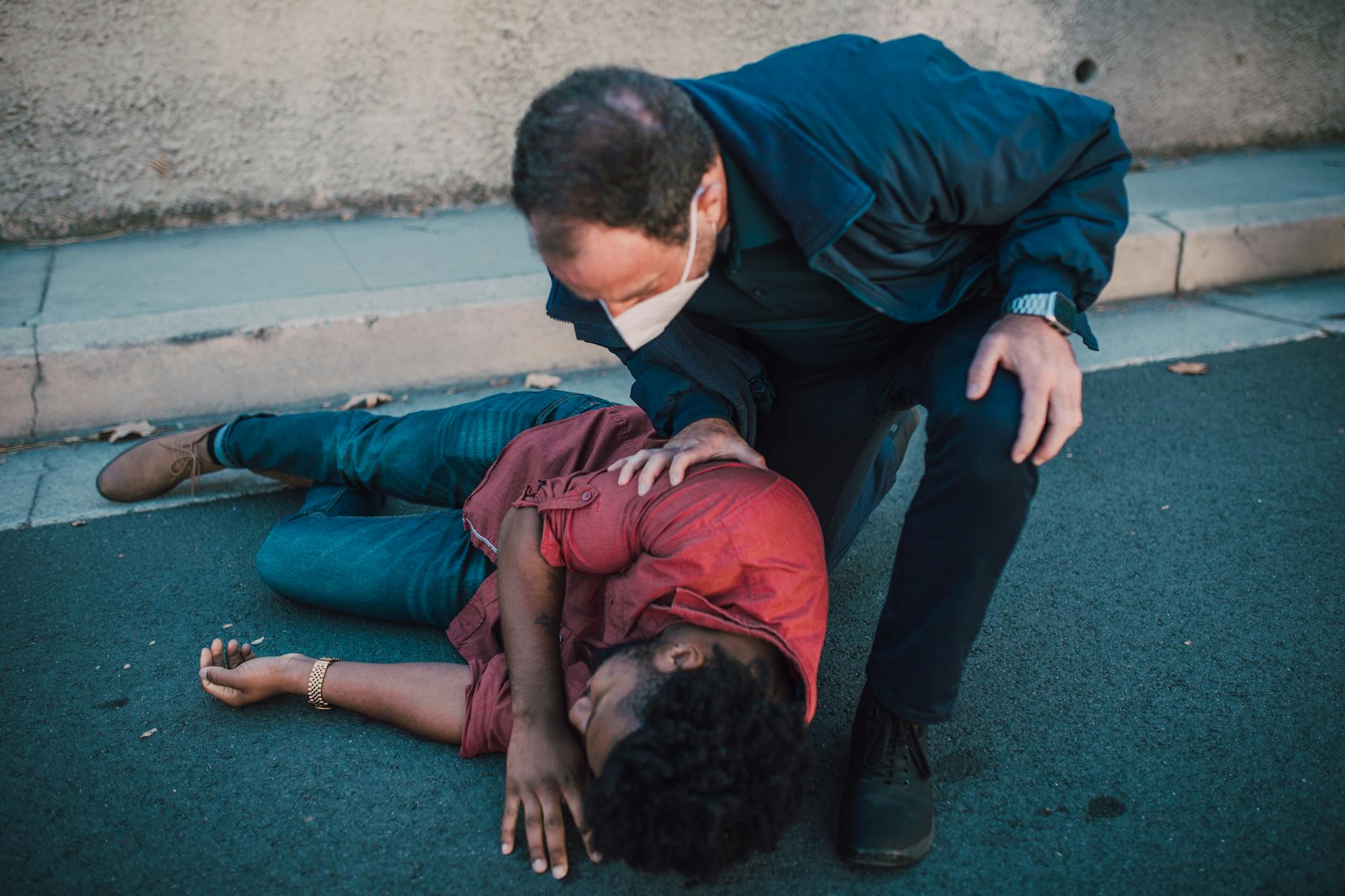
While most concussions resolve with appropriate rest and gradual return to activities, certain symptoms indicate potentially life-threatening complications that require immediate emergency care. These red flag symptoms may suggest bleeding in or around the brain, dangerous swelling, or other serious injuries that can develop in the hours following initial trauma. Recognizing these warning signs enables rapid medical intervention that can prevent permanent disability or death. Any loss of consciousness lasting more than a minute warrants emergency evaluation, as does any period of unconsciousness followed by worsening symptoms.
A headache that progressively intensifies rather than remaining stable or improving suggests possible intracranial bleeding. Repeated vomiting, particularly when it persists beyond the first few hours, may indicate rising pressure within the skull. Seizures occurring at any point after the injury require immediate medical attention. Confusion or drowsiness that worsens over time, rather than gradually improving, signals that the brain injury may be more severe than initially apparent. One pupil appearing larger than the other indicates dangerous pressure affecting the brain structures that control pupil response.
How to Prepare
- **Learn the mechanisms of concussion injury** – Concussions result from direct blows to the head, face, or neck, as well as from impacts elsewhere on the body that transmit force to the head. Falls, sports collisions, vehicle accidents, and assault represent common causes. Understanding that a concussion can occur without direct head contact helps identify injuries that might otherwise go unrecognized.
- **Familiarize yourself with the full spectrum of symptoms** – Review and memorize the physical, cognitive, emotional, and sleep-related signs described throughout this article. Symptoms can appear immediately or develop over 24-48 hours, so continued monitoring remains important even when someone seems fine initially.
- **Establish a baseline for comparison** – For athletes and others at elevated concussion risk, baseline cognitive testing provides a reference point for comparison if injury occurs. Parents should know their children’s normal behavior patterns, sleep habits, and academic performance to recognize concerning changes.
- **Keep emergency information accessible** – Maintain current emergency contact numbers and know the location of the nearest emergency medical facility. In emergency situations, rapid access to appropriate care can significantly affect outcomes.
- **Create a monitoring plan** – Following any significant head impact, arrange for someone to observe the affected person for at least 24-48 hours. This observer should understand what symptoms warrant concern and when to seek emergency care.
How to Apply This
- **Remove the person from the activity immediately** – Whether on a sports field, at work, or elsewhere, anyone showing potential concussion signs should stop their current activity and rest in a safe, calm environment. Continued participation risks additional injury and worsens outcomes.
- **Conduct a basic symptom assessment** – Ask about headache, nausea, dizziness, and vision changes. Test orientation by asking the person their name, the date, where they are, and what happened. Check balance by having them stand with feet together and eyes closed.
- **Seek appropriate medical evaluation** – Schedule evaluation with a healthcare provider experienced in concussion management within 24-48 hours for suspected concussions without red flag symptoms. Proceed to the emergency department immediately if any dangerous warning signs appear.
- **Implement initial rest recommendations** – Reduce physical and cognitive demands in the first 24-48 hours. This includes limiting screen time, avoiding reading, reducing exposure to bright lights and loud sounds, and refraining from exercise.
Expert Tips
- **Trust the symptoms, not the mechanism** – A seemingly minor bump can cause significant concussion, while dramatic-looking impacts sometimes produce no injury. The presence of symptoms matters more than how severe the impact appeared.
- **Watch for delayed symptom onset** – Up to 15% of concussions produce no immediate symptoms, with signs developing hours or even a day later. Continue monitoring for 48 hours after any significant head impact, even if the person initially seems fine.
- **Document everything** – Keep a written log of symptoms, their timing, and their severity. This information proves invaluable for healthcare providers making treatment decisions and tracking recovery progress.
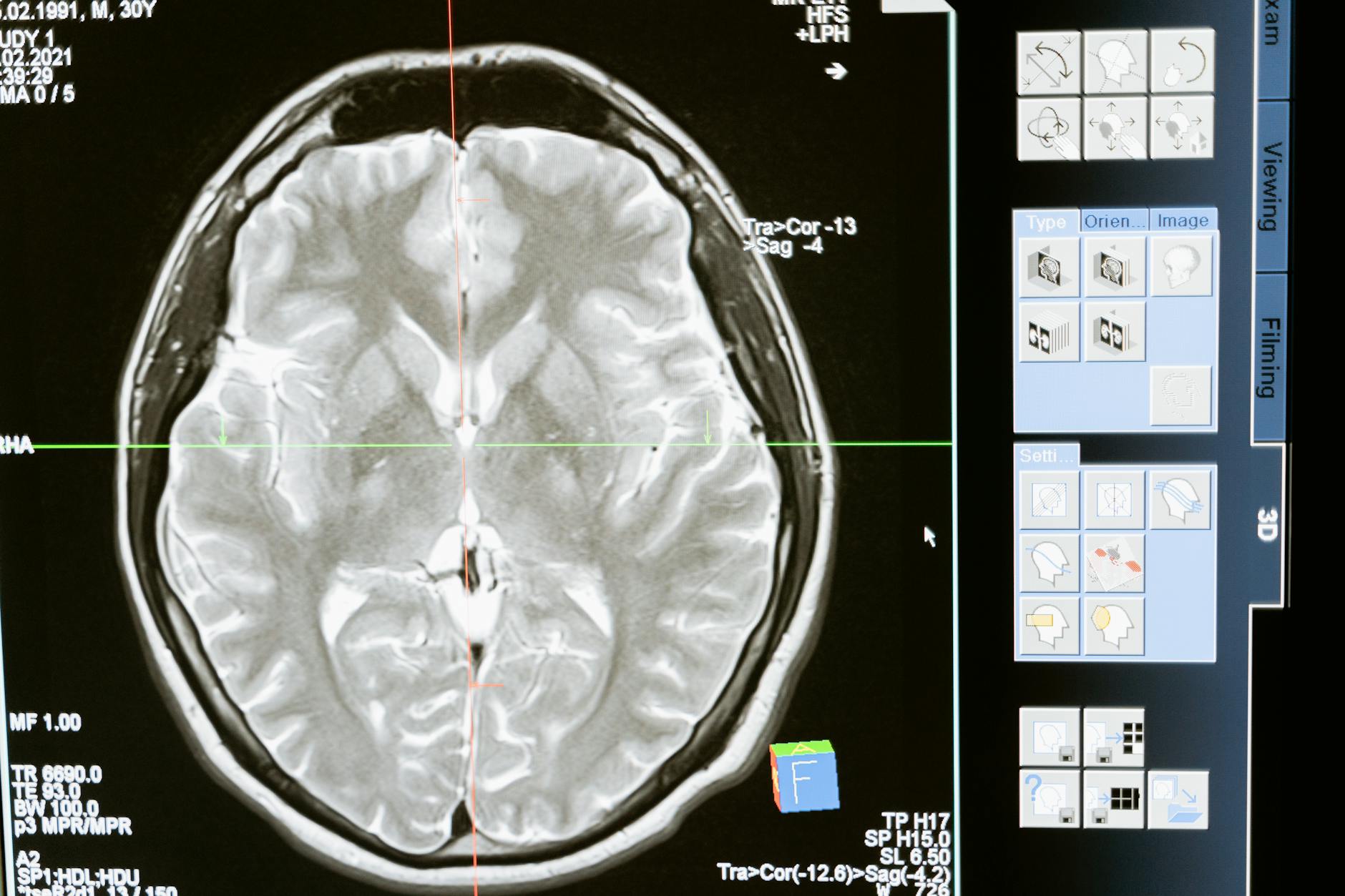
- **Understand that normal imaging does not rule out concussion** – Standard CT scans and MRIs typically appear normal in concussion patients because the injury involves cellular-level damage that these technologies cannot detect. A negative scan does not mean no concussion occurred.
- **Recognize that each concussion is unique** – Previous concussion history, symptom patterns, and recovery timelines do not reliably predict how a new injury will present or resolve. Approach each potential concussion as a new event requiring fresh evaluation.
Conclusion
Recognizing the signs of a concussion empowers individuals to protect brain health during the critical window when early intervention makes the greatest difference. The symptoms span physical manifestations like headache, dizziness, and vision changes; cognitive effects including confusion, memory problems, and difficulty concentrating; emotional changes such as irritability, depression, and anxiety; and sleep disturbances ranging from excessive drowsiness to insomnia. Understanding that these symptoms may appear immediately or develop over hours to days, and that children may present differently than adults, enables more complete injury detection.
The knowledge gained from this comprehensive overview serves a protective function for anyone at risk of concussion, including athletes, older adults prone to falls, vehicle occupants, and parents monitoring their children. Proper recognition leads to appropriate medical evaluation, which in turn guides individualized management and safe return to normal activities. Concussion remains a serious neurological event, but with informed recognition and response, the vast majority of people recover fully and return to their pre-injury function. Taking symptoms seriously, seeking timely evaluation, and following evidence-based recovery protocols provides the foundation for optimal healing.
Frequently Asked Questions
How long does it typically take to see results?
Results vary depending on individual circumstances, but most people begin to see meaningful progress within 4-8 weeks of consistent effort. Patience and persistence are key factors in achieving lasting outcomes.
Is this approach suitable for beginners?
Yes, this approach works well for beginners when implemented gradually. Starting with the fundamentals and building up over time leads to better long-term results than trying to do everything at once.
What are the most common mistakes to avoid?
The most common mistakes include rushing the process, skipping foundational steps, and failing to track progress. Taking a methodical approach and learning from both successes and setbacks leads to better outcomes.
How can I measure my progress effectively?
Set specific, measurable goals at the outset and track relevant metrics regularly. Keep a journal or log to document your journey, and periodically review your progress against your initial objectives.
When should I seek professional help?
Consider consulting a professional if you encounter persistent challenges, need specialized expertise, or want to accelerate your progress. Professional guidance can provide valuable insights and help you avoid costly mistakes.
What resources do you recommend for further learning?
Look for reputable sources in the field, including industry publications, expert blogs, and educational courses. Joining communities of practitioners can also provide valuable peer support and knowledge sharing.